Within week 6, our group looked at the producer and artist Burial. Within this week, we looked more closely at Burial’s synthesis and sampling, specifically on the album Untrue. After critical listening through the entire album, I can pick 5 key points used in his production, specifically in his synthesis and sampling.
Vocal manipulation
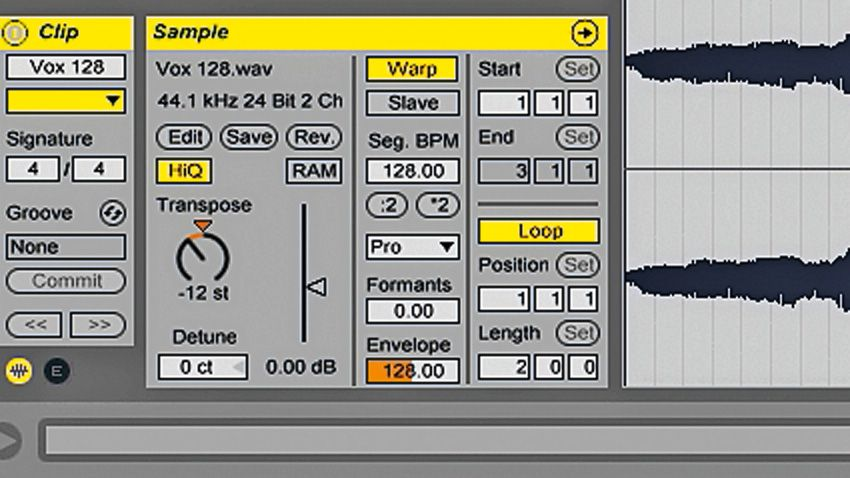
Burial uses vocal manipulation as a staple in many of his songs to add texture rather than lead vocals that sing a harmony. He takes vocal samples from old R&B tracks and manipulates them into these ghostly, genderless fragments that are spread across his whole album to add an eerie texture by using pitch shifters and formant shifters, as well as long, boomy reverb .This way of transforming existing vocals into emotional fragments is something discussed in academic analysis of his sampling techniques (Maclaurin & Callander, 2025).
Environmental samples
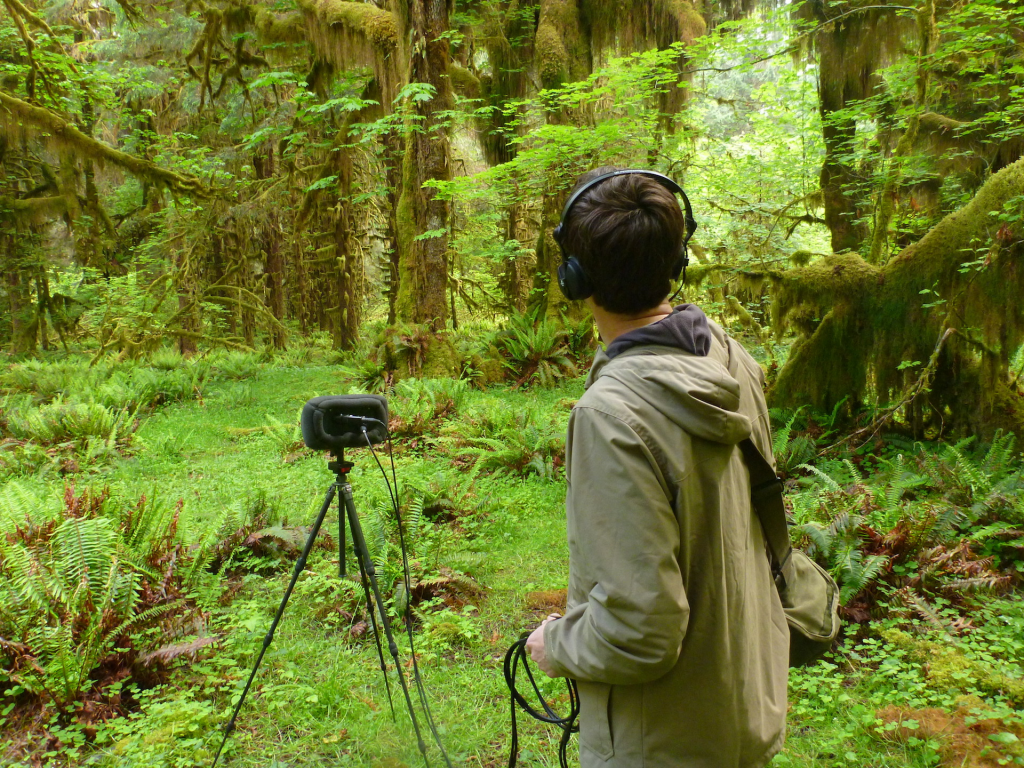
Instead of using normal synth pads, he builds the whole atmosphere out of everyday sounds like rain, street noise, and vinyl crackle, which makes the music feel like it’s happening in some real, late-night space. This adds so much depth to many of his tracks as it makes the listener imagine the space they are in as it’s playing out. This approach of using environmental noise as a core part of a track is linked to ideas within experimental electronic music (Demers, 2010). He uses this in combination with effects such as reverb to give depth to the samples, or sometimes uses a lack of reverb to add dry samples that sound like they are being whispered in your ear.
Non-quantised drums
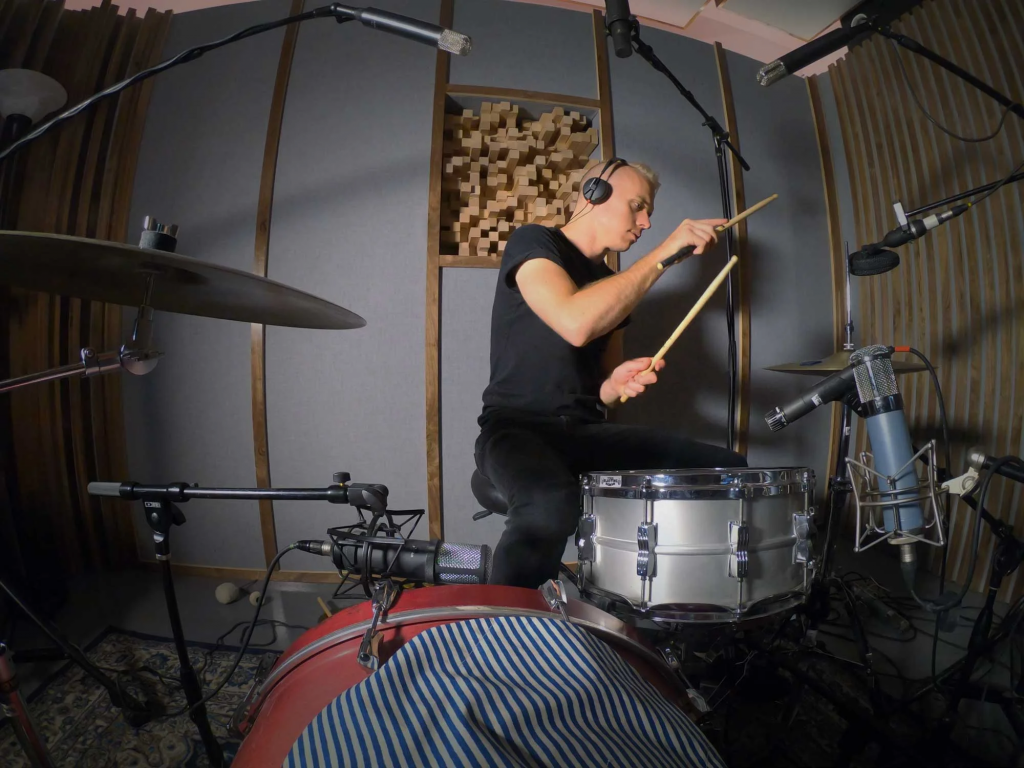
His drum samples are chopped and placed off-grid on purpose so they feel slightly messy and humanized. This adds so much character to the drums as they feel less robotic, and combined with the environmental samples, they sound like someone tapping away in the room with you. It gives the track this really intimate, almost handmade feel that you don’t normally get in electronic music, so it’s a massive contrast to the very plain drums normally found within his genre.

Texture and noise
Burial doesn’t hide imperfections within his tracks as he leans into the noise and rough textures to give his music this worn-out feeling. Instead of trying to polish everything, he actually brings the noise forward in the mix so it becomes part of the emotion. It almost feels like you’re listening through an old radio. The texture makes the songs feel alive and breathing. Many fans mention this as one of the most important features of ‘Untrue’ especially in video essays examining the album (Trash Theory, 2017) It also adds a weird comfort, as the roughness feels honest and human.
Simple synths
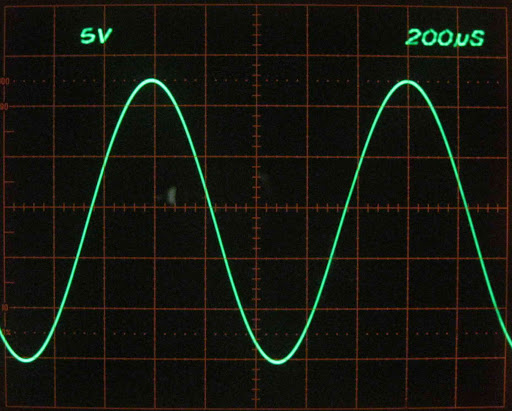
A lot of his bass and synth sounds are just basic waveforms that he dirties up with filters and noise, which somehow makes them feel way more emotional than clean, polished sounds. There’s this really human quality to it, like he’s proving you don’t need some massive, cinematic sound design to hit people in the chest. It’s the grit that makes it feel alive. Those slightly detuned, warbly chords feel like they’re breathing, like they’re carrying some kind of unspoken sadness. And because everything is so stripped back, every tiny movement stands out; you hear the soul in the cracks instead of getting distracted by the shine.
References
Demers, J., 2010. Listening through the Noise: The Aesthetics of Experimental Electronic Music. Oxford: Oxford University Press. Available at: https://academic.oup.com/book/27260?utm (accessed November 9th)
Maclaurin, A. & Callander, M., 2025. ‘“Like Embers in the Tune”: an examination of Burial’s sample reuse’, Chroma: Journal of the Australasian Computer Music Association, 40, pp. 1–17. (accessed November 9th)
Trash Theory, 2017. Burial’s Untrue: The Making of a Masterpiece. YouTube video. Available at: https://www.youtube.com/watch?v=Et5B-zfAIIo (accessed November 9th)
Leave a Reply